Piano Possibilities

Making Music Possible for Everyone

Customized piano lessons in Oregon City. Professional instruction is offered by Lani Elston, an experienced teacher, and classically trained musician. All ages & skill levels are accepted.

Filtering by Tag: Piano

5 Piano Practice Tips to Keep You at the Keys
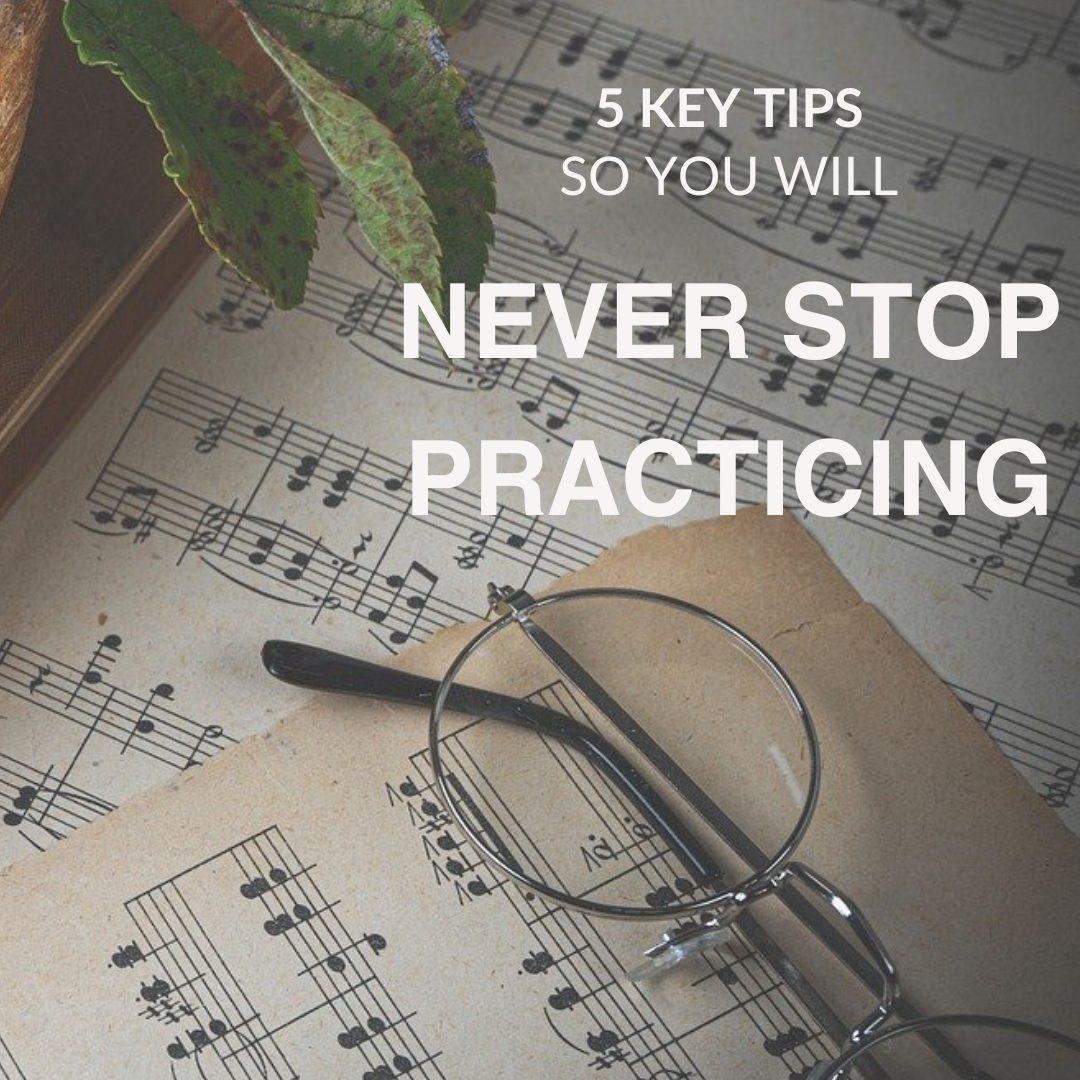

“Vintage piano sheet music with glasses and a leaf, text reads 5 key piano practice tips”

5 Piano Practice Tips to Keep You at the Keys

Every piano teacher knows this moment. A new student starts with fresh energy, a new book, and big plans. Then a busy week hits, the bench goes untouched, and the guilt of “I should be practicing” makes it even harder to sit back down and play.

The secret to a lifelong musical habit isn’t willpower. Good piano practice tips all come down to this: make practice easy to start, rewarding to continue, and forgiving when life gets in the way. Here are the five habits I teach my students at Piano Possibilities Music Studio in Oregon City, Oregon.

1. Start Smaller Than You Think You Need To

Ten focused minutes beats an hour you never get to. Short sessions remove the “I don’t have time” excuse, and once you’re at the keys you’ll often keep playing longer without trying. If you’re wondering how long to practice piano each day, begin with 10 to 15 minutes and build from there.

2. Tie Your Piano Practice to Something You Already Do

Habits stick when they have an anchor. Play right after your morning coffee, before dinner, or when the kids head off to school. When practice follows something automatic, you stop having to decide whether to do it.

3. Always Include Music You Love

Scales and technique matter, but so does joy. Keep one piece in your routine that’s just for you, whether that’s a favorite hymn, a movie theme, or a Chopin nocturne. Playing what you love reminds you why you started, which is the heart of staying motivated to practice piano.

4. Practice With a Purpose

Instead of playing a piece from top to bottom, choose one small goal: four measures, hands separate, slow tempo. Focused practice produces visible progress, and progress is the best motivation there is.

5. Celebrate Your Progress and Share It

Record yourself once a month and listen back to hear how far you’ve come. Play for a friend, a family member, or your teacher. Even a small audience turns practice into music-making.

Frequently Asked Questions

Q) How long should I practice piano each day?
A) Beginners do well with 15 to 30 minutes. Intermediate often practice 45 to 60 minutes. Advanced students can practice anywhere from 2- 5 hours depending on their goals. Consistency matters more than length.

Q) What should I do if I miss a few days of practice?
A) Just come back to the bench, even for five minutes. Missing a day is fine. Missing a month can turn into a habit.

Q) Is it too late to learn piano as an adult?
A) Not at all. Adults often make faster progress because they practice with clear goals and understand why they’re doing each exercise.

Ready to Build a Practice Routine That Fits Your Life?

If you’re in Oregon City and want personalized guidance, I’d love to help! Piano Possibilities Music Studio offers piano lessons for kids, teens, and adults. Contact me for more information today!

Looking for something specific? Search below to find previous posts including articles, playlists, inspirational quotes and more!

Archive

Piano Possibilities Music Studio | Customized Piano Lessons | Oregon City | West Linn | Gladstone

Searching for piano lessons near me? Email me today to schedule your piano lessons in Oregon City!
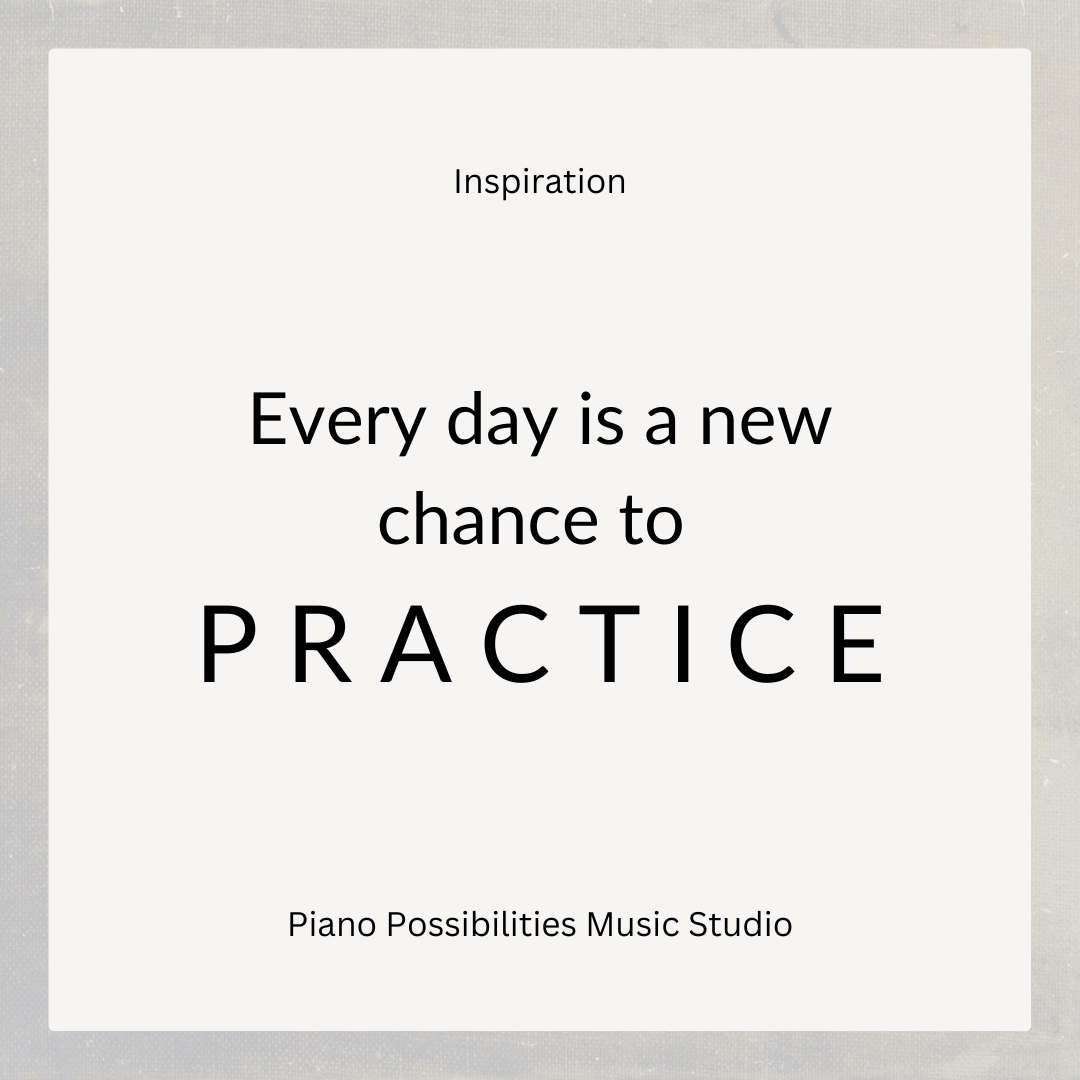
Every Day Is a New Chance to Practice Piano


"Every day is a new chance to practice piano" from Piano Possibilities Music Studio in Oregon City

Every Day Is a New Chance to Practice Piano

Some days at the piano feel effortless. Your fingers know where to go, the phrasing flows, and the music sounds the way you imagined it. Other days, the passage you played perfectly yesterday falls apart. Both kinds of days count, and both are part of learning to play.

Consistent Piano Practice Beats Perfect Practice

Progress doesn't come from flawless sessions. It comes from showing up regularly, even when you're tired, busy, or frustrated. A difficult measure that challenged you on Monday can suddenly click on Thursday - and it usually clicks because you kept coming back. Every time you sit down at the piano, you're building muscle memory, strengthening your ear, and growing your confidence, even when it doesn't feel like it in the moment.

Short Practice Sessions Still Count

If you only have ten minutes, use them! Short, focused piano practice is often more effective than one long session squeezed in right before a lesson. This is especially true for beginners and young students, who build skills best through steady repetition. Try picking one small goal for each session, like polishing a single phrase, working on a difficult passage hands separately, or playing a favorite piece just for fun.

Be Kind to Yourself when Practice Feels Hard

Every pianist, from first-year students to professionals, has days when practice feels like a struggle. Frustration doesn't mean you're not improving. It often means you're working on something that's right at the edge of your ability, which is exactly where growth happens. If a session isn't going well, take a short break, slow the tempo down, or switch to another piece you enjoy playing. Ending on a positive note makes it easier to come back tomorrow.

Start Fresh Today

If yesterdays practice didn't go the way you hoped, let it go. Sit down, take a breath, and begin again. That fresh start is available every single day.

Whether you're a beginner, a parent supporting a young student, or an adult returning to the piano after a break, I'd love to help you build a practice routine that works for you. Learn more about piano lessons in Oregon City at Piano Possibilities Music Studio, or get in touch to ask about getting started. - Lani

Looking for something specific? Search below to find previous posts including articles, playlists, inspirational quotes and more!

Archive

Piano Possibilities Music Studio | Customized Piano Lessons | Oregon City | West Linn | Gladstone

Searching for piano lessons near me? Email me today to schedule your piano lessons in Oregon City!

Why Mistakes Matter: How You Can Support Your Child’s Musical Growth


Image stating that "When we allow ourselves to fail, we also give ourselves permission to succeed"

If your child is a perfectionist, then this post is made for you!

When I was a young piano student, mistakes or even the fear of making a mistake, was the bane of my existence! I had ZERO tolerance for what I considered a failure: any mistake during practice, a lesson, or a performance. While this may have pushed me to work very hard, it caused a lot of anxiety and frustration. As I grew from those early years at the piano, I realized that one of the most important elements of learning is this:


Mistakes are not setbacks. They’re a valuable part of learning how to play the piano.

When your child sits down to practice, they’re not just learning notes and rhythms—they’re learning how to tackle challenges, how to preserver, and how to grow through hard work. However, sometimes that growth looks a lot like stumbling!

Many young students feel discouraged when they can’t immediately play something perfectly. Sometimes children will stop practicing due to frustration… or even ask to quit taking lessons because they ”don’t like playing piano anymore.” It’s because these mistakes can make them feel like they are failing. However, I can tell you from a teacher’s perspective, these are the moments where the most meaningful progress can begin. It’s all about the approach to help your child shift their mindset.

When children feel safe to try, struggle, and try again, they start to relax and become more open to the process of working hard to overcome challenges. Their confidence grows. They become more curious, more willing to explore, and more open to improvement. In other words, allowing themselves to make mistakes gives them permission to succeed.

This is where your support makes all the difference! Here are a few ways you can help your child embrace the learning process:

1. Praise the Effort, Not Just the Result

Playing music correctly is ideal – of course, it’s what we strive for. But one thing that I have observed as a piano teacher is that constant correction is really frustrating to a student. It can get in the way of them being open to learning and also create anxiety towards making any kind of mistake. For parents, the kindest correction can be met with backlash from even the youngest of children, especially those who are perfectionists! Many times, approaching your child’s piano practice with positive praise can have great results. For example, instead of saying “that sounded perfect” try “I love how you kept going even when it was tricky.” This helps your child see value in persistence, not perfection. You can also ask them, “what do you think needs practice” instead of telling them something was wrong. This helps a child evaluate areas for improvement on their own.

2. Normalize Mistakes

Let them know that every musician—yes, even professionals—make mistakes. It’s how we all learn new skills and strengthen old ones. Encourage your child by sharing how practicing will help them overcome difficulties. I also think personal examples from a parent can be helpful. Highlighting how you’ve made mistakes and learned from them can be beneficial for your child to understand that we all go through this process.

3. Celebrate Small Wins

Mastering a tough rhythm or memorizing a few measures is worth cheering for, highlight how proud you are! These tiny steps build momentum and confidence. With praise, children can gain confidence to take on more complex challenges at the piano without any fear of failure. For example, if they do make mistakes, they will know it’s just a part of learning.

4. Encourage Patience

Learning how to play the piano takes time – not just months, but years of dedicated study. It’s important to note that as your child grows at the piano, the pieces become more difficult and take longer to master. With that in mind, if your child becomes frustrated, remind them that progress often happens slowly, one practice session at a time.

Final Thoughts

All in all, mistakes are simply a part of life. By helping your child see them as an opportunity to learn, you’re giving them a gift far bigger than the ability to play an instrument. You’re teaching them to persevere, to stay curious, and to be proud of their growth. That mindset will carry them much further than any single piece of music ever could.

Questions? Feel free to contact me anytime. - Lani

Looking for something specific? Search below to find previous posts including articles, playlists, inspirational quotes and more!

Archive

Piano Possibilities Music Studio | Customized Piano Lessons | Oregon City | West Linn | Gladstone

Searching for piano lessons near me? Email me today to schedule your piano lessons in Oregon City!