Piano Lessons for Kids: A Parent's Guide to Getting Started in Oregon City
Wondering how to set your child up for success before that first piano lesson? Great news — the piano is one of the most rewarding instruments to start with. There's a huge range of music to grow into, and beginners can start making real music from day one. Here are a few tips to help both lessons and at-home practice get off to a great start.
Before Starting Piano Lessons:
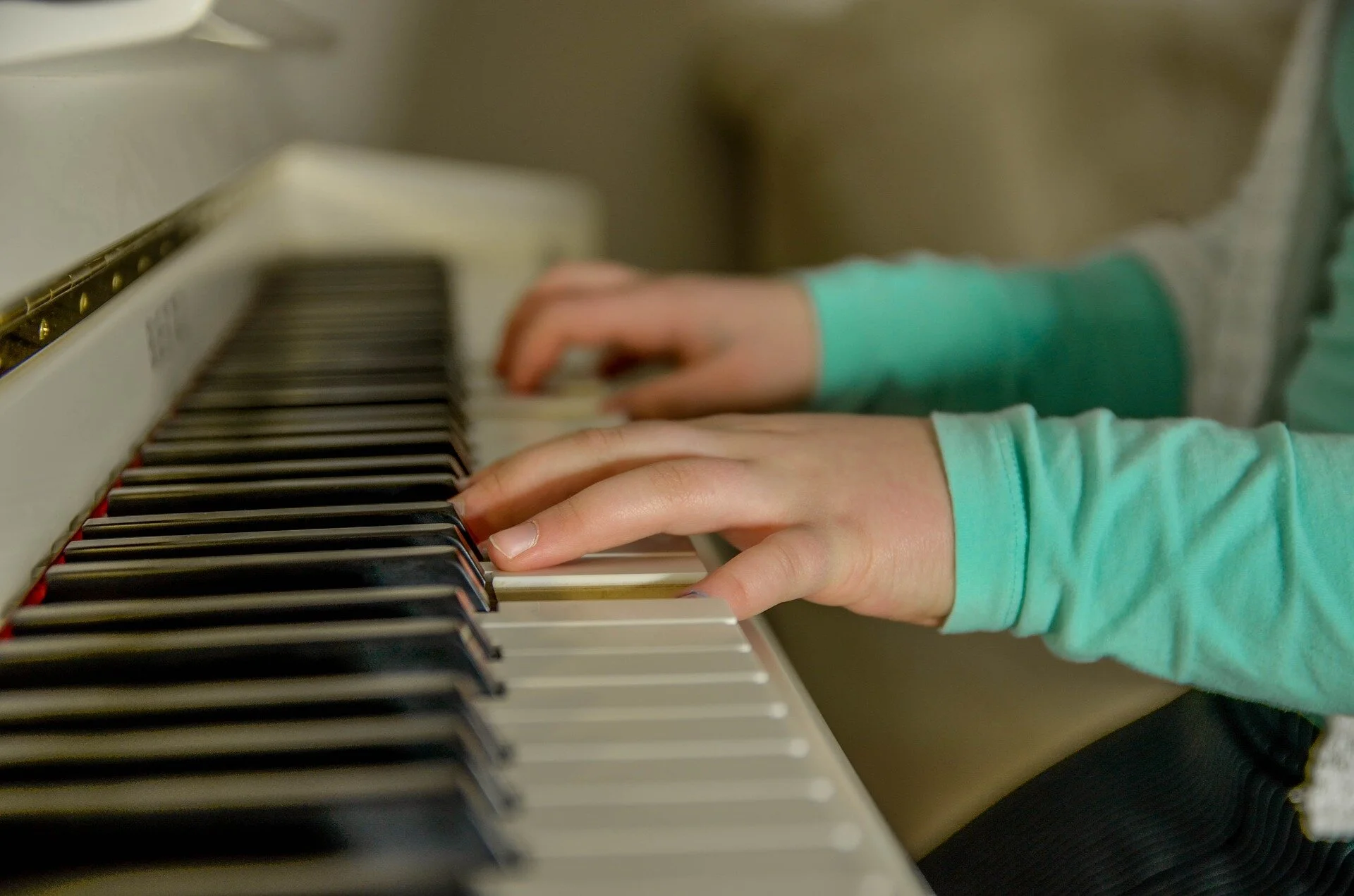
Before starting piano lessons, it’s important to introduce your child to music in a fun, low-pressure way. First, I recommend watching performances together and YouTube is a great place to start! Show your child not only piano performances, but other instruments too. You may find that your child lights up when watching a violinist more than a pianist, which is really helpful when gauging their interest levels and finding the right instrument to pursue.
Listen for fun. Free classical music playlists on Spotify are a great way to bring music into your life. I’ve put together a few playlists for my students - you can find them here.
If you have a piano, sit down with your child and explore the keys… just press the keys or play with the pedals! No need to make “real” music yet. Curiosity is the goal.
No piano yet? If you’re in the Oregon City area, you can check out Piano Push Play during the summer months. They are an organization that places pianos in neighborhoods, parks, and even sidewalks across the Portland metro area for anyone to play.
Find a the right teacher. Look for someone whose teaching style matches your child’s learning style, and one who can identify the right method for them. A piano teacher with a music degree or specialized training makes a real difference - just as you’d want a well-trained teacher in any subject at school.
Setting Up for Practice at Home
A good instrument matters from day one, since your child starts building technique in their very first lesson. An acoustic piano is ideal, but a full-sized, 88-key, weighted keyboard works well too — the weighted keys help kids build finger strength and learn to control dynamics. You don't need a baby grand, but skip the mini keyboards; a proper instrument keeps kids engaged because they can recreate the sounds they hear in lessons.
How Often Should Kids Practice?
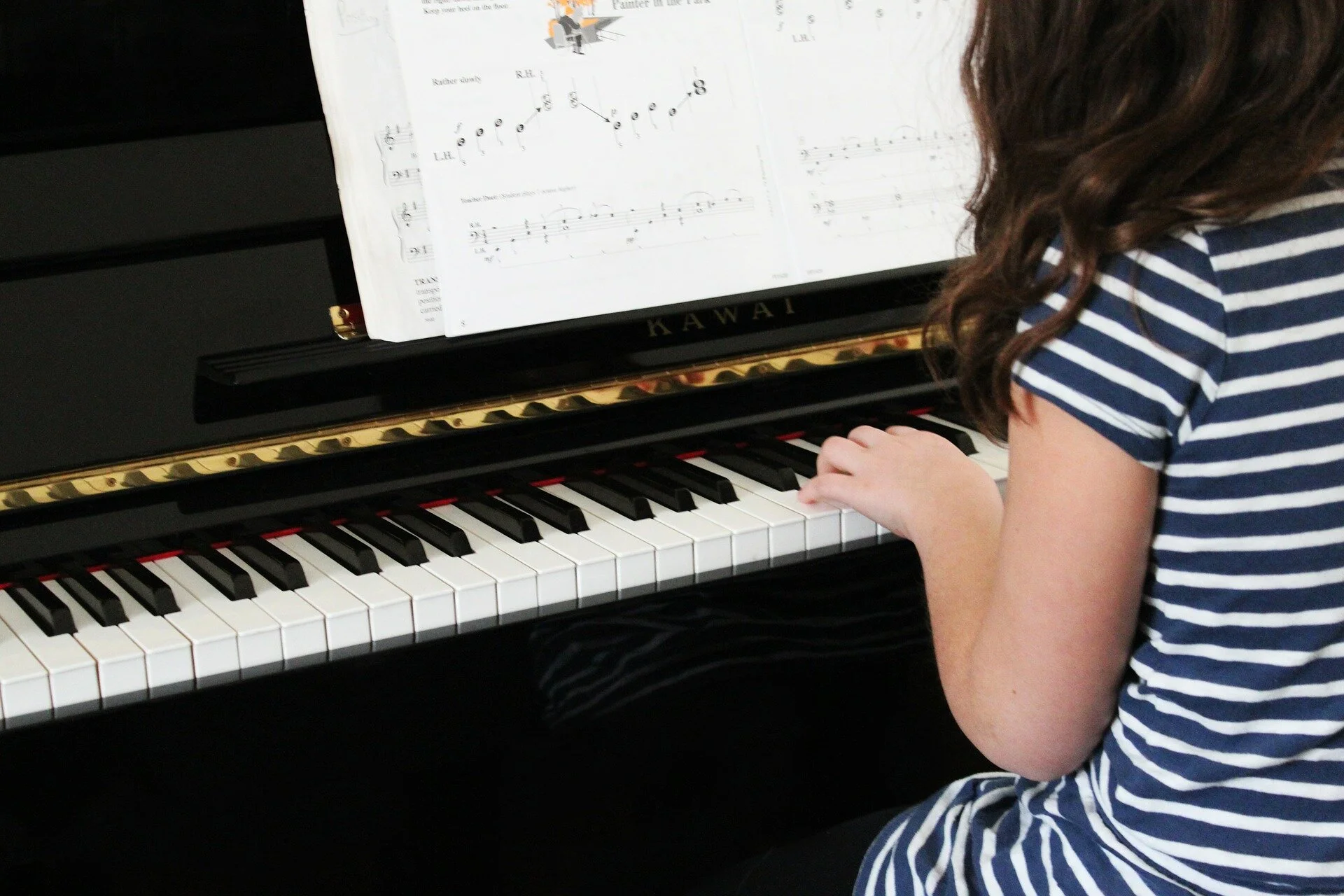
Consistency matters more than length. A short daily practice, at the same time each day, is easier for kids to remember than long, irregular sessions.
Young beginners: 15–20 minutes a day
Grade-school children: 30 minutes a day
Intermediate students: 45–60 minutes a day
Advanced students: 2–5 hours a day, depending on repertoire and goals
Five days a week is a great, realistic target if daily practice isn't always possible.
Make Practice Time Fun
Practice sessions at home should be a fun part of the day and I encourage all parents to keep this time light-hearted. I also recommend letting mistakes happen, yes, mistakes! Mistakes aren't setbacks; they're actually where some of the most meaningful progress happens. When children feel safe to try, struggle, and try again, they relax into the process, grow more curious, and build real confidence — rather than fearing failure. I've written more on this in Why Mistakes Matter: How You Can Support Your Child's Musical Growth, which includes a few ways to help your child embrace the learning process.
Learn to Play the Piano Yourself:

You're never too old to start! Taking lessons alongside your child gives you insight into what they're learning and helps you model good practice habits at home. It's also a wonderful way to bond — at my studio in Oregon City, I have several parent-and-child (even grandparent!) duos taking lessons together, leading to duets, at-home concerts, and plenty of sing-alongs.
Frequently Asked Questions
How often should my child practice piano?
Daily practice is ideal, but 5 days a week still produces great results. Length depends on level — see the practice guide above.
Do I need a real piano, or is a keyboard okay?
A full-sized, 88-key weighted keyboard works well for beginners. Weighted keys matter most, since they build the finger strength and dynamic control kids need.
What age should my child start piano lessons?
There's no single "right" age — some children can start as early as age four, while others may do better waiting until they're seven or eight, and plenty of students find success starting later, even as teens or adults. Rather than focusing on age alone, it helps to look at a few things: does your child show genuine interest in the piano, can they focus during an activity, and do they have the hand strength and basic counting/alphabet skills to get started? For a full breakdown of what to look for, check out my post What Age Should My Child Start Piano Lessons?
Final Thoughts:
These tips should give you a great starting point - but most of all, I hope you and your child enjoy this musical journey together! Questions? Contact me directly or leave me a comment below.
- Lani
Looking for something specific? Search below to find previous posts including articles, playlists, inspirational quotes and more!
Archive
- #gopractice 11
- Accompanying 1
- Aretha Franklin 1
- Articles 5
- Awards 3
- Beethoven 1
- Chopin 4
- Christmas 7
- Classical Music 4
- Classical Piano 4
- Coffee 1
- Composers 2
- Composing 1
- Congratulations 3
- Creativity 1
- Debussy 1
- Development 2
- Einstein 1
- Facts 1
- Fanny Mendelssohn-Hensel 1
- Flashback 1
- Games 1
- Gopractice 14
- Grand Piano 1
- Guides 2
- Happy Holidays 10
- Happy New Year 1
- Humor 1
- Inspiration 80
- JS Bach 1
- LEGOs 1
- Liszt 1
- Memories 1
- Merry Christmas 2
- Motivation 32
- Mozart 2
- Music 8
- Music Activities 1
- Music Education 3
- Music History 1
- Music Theory 2
- Music Tips 2
- New Years Resolutions 2
- News 1
- Performances 3
- Piano 18
- Piano Concerto 1
- Piano Lesson 1
- Piano Lessons 7
- Piano Playlist 1




Piano Possibilities Music Studio | Customized Piano Lessons | Oregon City | West Linn | Gladstone
Searching for piano lessons near me? Email me today to schedule your piano lessons in Oregon City!